
From Texas across the Southeast and up through the Great Lakes, early spring creates a critical window for effective weed control. While timing can vary slightly by region, the principle stays the same—what you do early in the season has a lasting impact on how manageable weeds will be for the rest of the year.
Most property owners and managers don’t think about weeds until they start seeing them. By that point, the problem is already underway.
Once weeds emerge, they don’t just sit still—they grow quickly, compete with desirable vegetation, and begin producing seeds. Over time, that leads to more weeds, more treatments, and more effort to keep things under control.
That’s why timing matters so much in vegetation management.
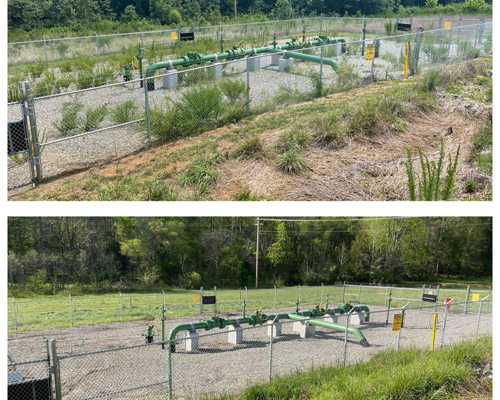
Why early-season control is so effective
The most efficient weed control programs start before weeds ever emerge. This is done using pre-emergent herbicides, which create a barrier that prevents certain weeds from germinating and growing.
Pre-emergents are especially effective on annual weeds—species that grow from seed each year. While not every weed falls into this category, many of the most common and problematic ones do.
Weeds like ragweed, pigweed, marestail, common cocklebur, sicklepod, and dogfennel are all examples that can often be managed more effectively with a properly timed pre-emergent application.
The cost of waiting
When weed control starts after growth is already visible, the approach becomes more reactive. Instead of preventing the problem, you’re chasing it.
That often means:
- More frequent applications
- Higher labor costs
- Increased herbicide usage
- Less consistent results
In some cases, what could have been handled with one or two early treatments turns into ongoing applications throughout the season.
A more sustainable approach
A well-timed, early-season program doesn’t just reduce visible weeds—it helps stabilize long-term maintenance. Fewer weeds emerging means fewer interventions later, which keeps both workload and costs more predictable.
For many properties, especially those with recurring weed pressure, starting early is one of the simplest ways to improve overall results.
Weed control isn’t just about what you see—it’s about what’s happening before weeds ever appear.
Starting early won’t eliminate every challenge, but it puts you in a much stronger position for the rest of the year.
Timing, product selection, and application strategy can all impact results. Taking a little time to plan early in the season often pays off in the long run.

Author: Drew Arsi
VP Core Business Development
Opterra Solutions