
Public Works departments are responsible for maintaining some of the most visible and essential infrastructure within a city or county. From roads and bridges to stormwater systems, cemeteries, parks, and even local airports, these departments keep communities safe, functional, and operating efficiently. With aging infrastructure, limited budgets, and ongoing labor shortages, many Public Works departments are being asked to accomplish more with fewer resources. As maintenance demands continue to grow, proactive vegetation management and stormwater maintenance programs have become valuable tools for improving efficiency while reducing long-term costs.
The Unique Challenges Public Works Departments Face
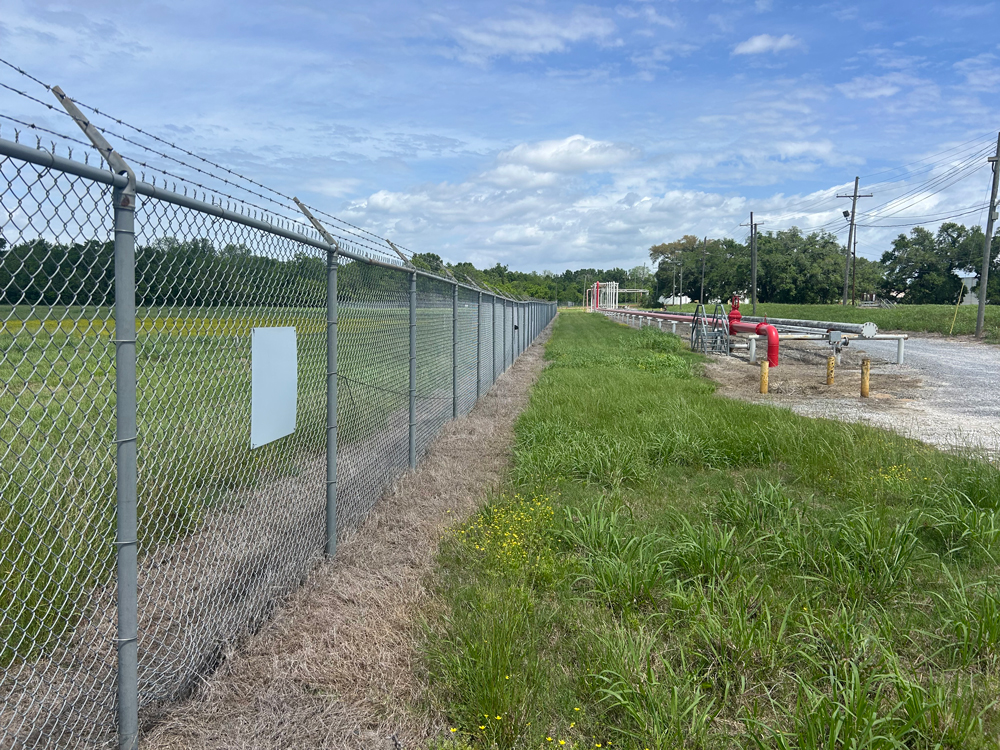
Unlike private facilities that manage a single property, Public Works departments are responsible for maintaining assets spread across an entire municipality. Their responsibilities often include multiple divisions, each with its own maintenance priorities, budgets, and operational challenges.
Common responsibilities include:
- Roads and bridges
- Water and sewer infrastructure
- Stormwater systems
- Cemeteries
- Municipal facilities
- Parks and green spaces
- Local airports
- Utility easements and rights-of-way
With so many assets to maintain, vegetation can quickly become more than just an appearance issue. Overgrown facilities can reduce accessibility, create safety concerns, interfere with inspections, and increase maintenance costs.
Why Proactive Vegetation Management Matters
Many municipalities rely heavily on routine mowing and reactive maintenance to control vegetation. While mowing remains an important maintenance practice, it often addresses the symptom rather than the problem. A proactive vegetation management program focuses on controlling vegetation before it becomes a maintenance issue.
By utilizing selective herbicides, Plant Growth Regulators (PGRs), industrial weed control, brush management, and aquatic vegetation treatments, Public Works departments can reduce maintenance demands while improving the overall condition of public infrastructure.
Benefits of a proactive program may include:
- Reduced mowing frequency
- Lower labor and equipment costs
- Improved access to infrastructure
- Safer working conditions
- Better appearance of public properties
- Longer-lasting maintenance results
- More efficient use of limited staff
How Opterra Supports Public Works Departments
Opterra partners with cities, counties, and municipalities to develop customized maintenance programs that improve infrastructure while reducing long-term maintenance costs.
Some of our tailored services for Public Works Departments include:
- Stormwater maintenance and repairs
- Industrial Weed Control (IWC)
- Selective herbicide applications
- Plant Growth Regulator (PGR) programs
- Brush and invasive species management
- Mechanical vegetation control
- Aquatic vegetation management
- Pond and ditch maintenance
- Vegetation management for municipal facilities and airports
By combining vegetation management, stormwater expertise, and specialized equipment, Opterra helps Public Works departments operate more efficiently while keeping community infrastructure safe, accessible, and well maintained.
Partner With Opterra
Every municipality has unique maintenance challenges. Whether you’re looking to improve stormwater infrastructure, reduce mowing costs, manage invasive vegetation, or develop a long-term vegetation management strategy, Opterra has the experience and resources to help.
